I’m Jacqueline. I’m a professional artist (fx sculpting) who dabbles in many different crafts for fun. I got into making my own patterns in order to make my own costumes, most of which are for LARP
I’ve always done my pattern drafting by hand. So using Seamly is very new to me, the only pattern I’ve made is the underwear tutorial. Which I found very helpful for learning how to use the tools.
What are everyone’s go to pattern drafting systems? which ones have you found to need the least tweaking to get a perfect fit?
Personally I love the Keystone system. From the Keystone jacket And Dress Cutter, I’ve made bodice slopers, a cloak and trousers. I was able to get an excellent fit with very little change to the original drafts. But I currently have no need for Victorian era clothing. More modern patterns I’ve done were based on some blog posts and had some significant fit issues. So I am looking for a good manual that is from the 20th or 21st century
Hello, @JacquelineW , and welcome to the Seamly forum.
I started off with Winifred Aldrich’s Metric Pattern Cutting for Women’s Wear (perfect for LARP) and I’ve used it for a number of various sizes using custom measurements and her instructions are good for a beginner. I’ve also worked my way through a number of other pattern making systems.
The main thing to remember is that their standard measurements are always for a B Cup, a certain height range and not really for plus sizes. All have a few errors in them, but if you’re a bit experienced, you will notice them.
If you need to draft for other than B Cup (either higher or lower), you can either incorporate a bust adjustment into your base pattern or look at Helen Joseph Armstrong or Jack Hanford.
Whichever system you choose, it’s best to create a base pattern, do a fitting test on it and adjust the base accordingly. That way, your base will be true to you and you can add your ease and design details on top of the base for all new designs.
thank you both! I am definitely looking for something that incorporates bust size rather than requiring a full bust adjustment.
a B is too many cup sizes off for me to want as a starting point for an fba. and if the pattern used by chest measurements for a b cup bodice block it would likely be too big elsewhere. this is really helpful info! I know Metric Pattern Cutting is a very popular book and I was considering buying it, but it sounds like its not for me.
i will keep those in mind when i get around to buying books
oooh something I can read on the internet archive! just skimming through now. even if I don’t end preferring the block drafting method this book looks a great resource just for the info on pleats, gathers, ruffles and dart manipulation.
Definitely. Even my blocks from the keystone system which came out with the perfect bust size and upper back size from the start still needed multiple small adjustments just for shape. I’ve got a copy of the Complete Photo Guide to Perfect Fitting and it was very helpful for past projects
@Grace I’m a newb to drafting patterns and I’m teaching myself. Why do certain drafting patterns produce fits that reflect any bust sizes and some don’t? I’ve been wondering how to tell when a real measurement-based drawing system wouldn’t return accurate fitting in cup size.
Also have you made any tutorials on how to do cup adjustments for Helen Joseph Armstrong patterns in Seamly2D?
Hello and welcome to the Seamly forum, @Cranfillec
Most pattern making systems draft for a B cup. However, they use the Bust circumference as the size. So if you split this into the front arc and the back arc when taking the measurements, you’ll know what portion to allocate to the front bodice. Then it’s a matter of widening the shoulder dart to reduce the fabric to fit the shoulder and likewise for the waist (if the cup is larger than a B - reduce if smaller). This way is most suited to princess line patterns where you have a centre panel and side panels. The darts get hidden in the seam line.
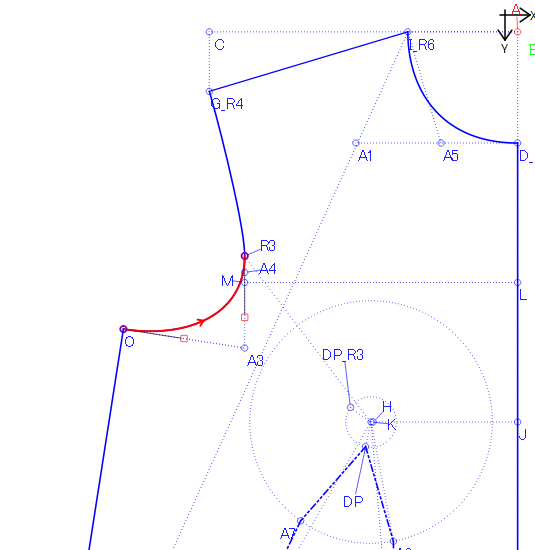
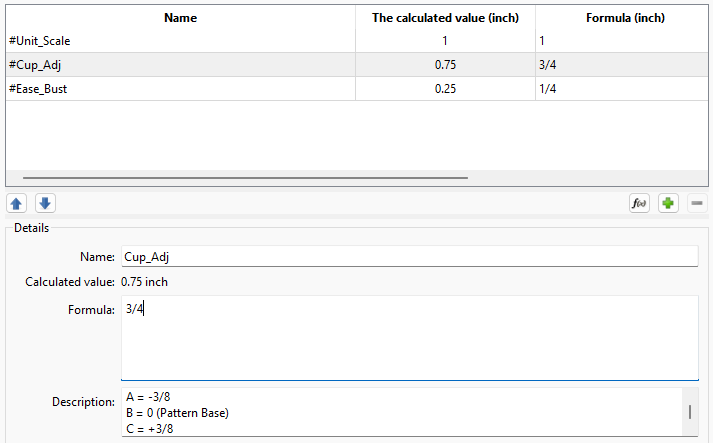
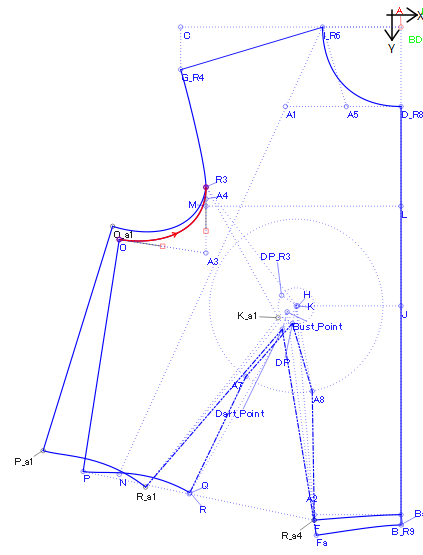
No. I did this a number of years ago and just followed the instructions in the book. I did the armhole curve in 2 parts so that it would only shift the bottom section when I resized the cup:
@Grace Would you be willing to share this file so I can poke around to see how you did it? It’s a bit over my head, and I would really love to figure this out.


 No. I did this a number of years ago and just followed the instructions in the book. I did the armhole curve in 2 parts so that it would only shift the bottom section when I resized the cup: